
Our Core Identity
Our Mission:
Integrated Agriculture Solution is dedicated to empowering farmers, school going students, and rural communities by providing holistic, sustainable, and knowledge-intensive agricultural solutions. We bridge the gap between traditional wisdom and modern agroecological science to enhance food security, restore ecosystems, and build economically viable farming enterprises for present and future generations.
Our Vision:
We envision a world where thriving agricultural landscapes support prosperous communities in harmony with nature. A world where farmers are recognized as stewards of the land, utilizing integrated and sustainable practices that ensure environmental health, economic stability, and social well-being.

Our Core Values:
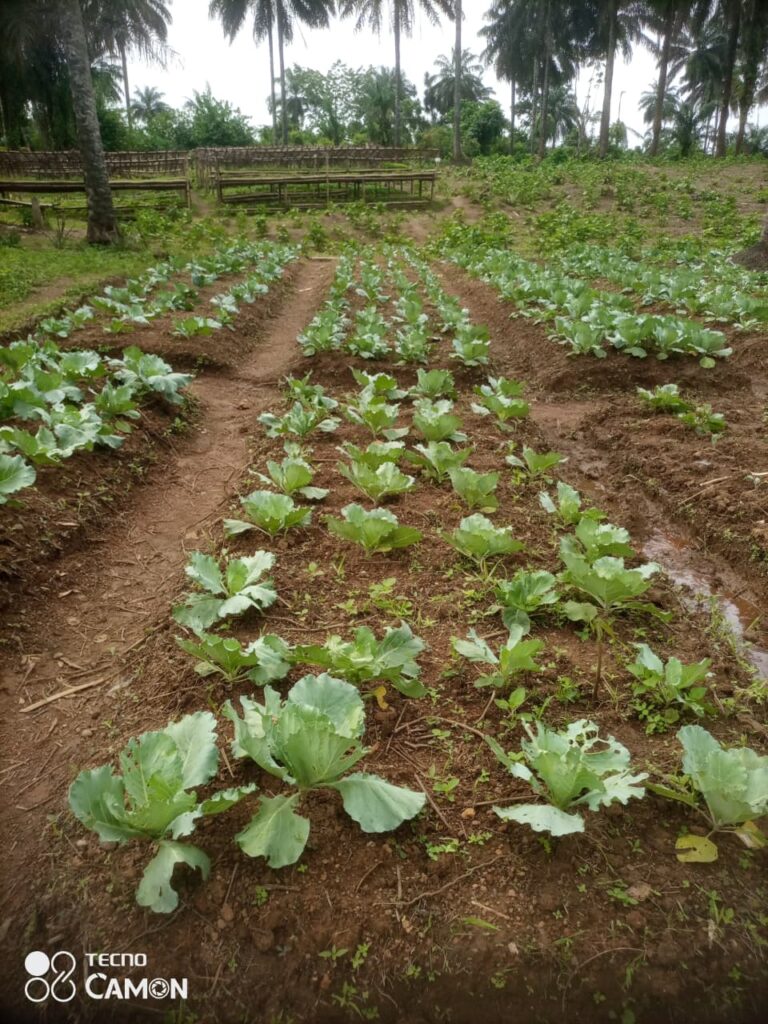
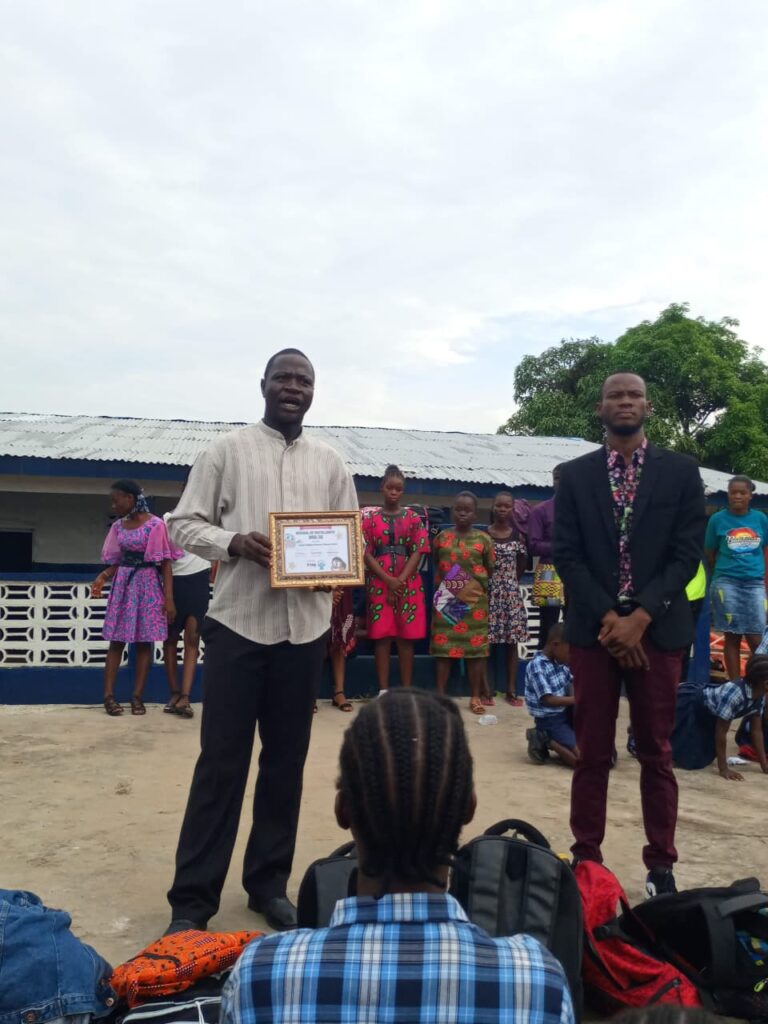
Sustainability: We are committed to solutions that meet today’s needs without compromising the ability of future generations to meet their own. We believe in practical hand-on agriculture activities directly in the field and demo site, building local farmers capacities in solving problems associated with healthy crop growth, integrated Pest Management(IPM), Farmer Field School approaches, principles, elements and stages of farmers Field School, Agroforestry, Building Farm to Market Road, Constructing Agricultural Warehouse and Farm Gate for Rural Farmers, and Training Schools and School Going Students in Sustainable Agricultural Approaches
- Integration: We believe in a whole-system approach, recognizing that crop cultivation, livestock, trees, and water are interconnected.
- Empowerment: We focus on building human capacity. We don’t just provide answers; we equip farmers with the knowledge and skills to be their own solution-makers.
- Innovation & Tradition: We respect indigenous knowledge and blend it with cutting-edge, appropriate technology for context-specific solutions.
- Collaboration: We achieve more by working together with communities, governments, research institutions, and the private sector.
The Challenge: Our Background and Rationale:
The global agricultural sector stands at a critical crossroads. While tasked with feeding a growing population of over 7.8 billion people, conventional farming practices often lead to:
- Environmental Degradation: Soil erosion, loss of biodiversity, water scarcity, and reduced soil fertility.
- Climate Vulnerability: Monoculture systems and heavy chemical input dependence make farmers highly susceptible to climate shocks like droughts and floods.
- Economic Instability: High input costs and market fluctuations trap smallholder farmers in cycles of debt and poverty.
- Knowledge Gaps: A disconnect between emerging sustainable practices and the farmers who need them most, often due to a lack of accessible, practical training.
- These challenges are particularly acute in Liberia and many West African regions we aim to serve. Smallholder farmers, the backbone of local food systems, frequently lack the resources and support to transition to more resilient and productive methods.
Executive Summary:
Integrated Agriculture Solution has been in operation in Liberia since 2023, empowering local farmers, and has partnered with the Matthew Cares Foundation for the past year, from October 2024 to the present. Integrated Agriculture Solutions is its own Business and has registered with the Liberia Business Registry on January 13, 2026, with TIN# 502312053
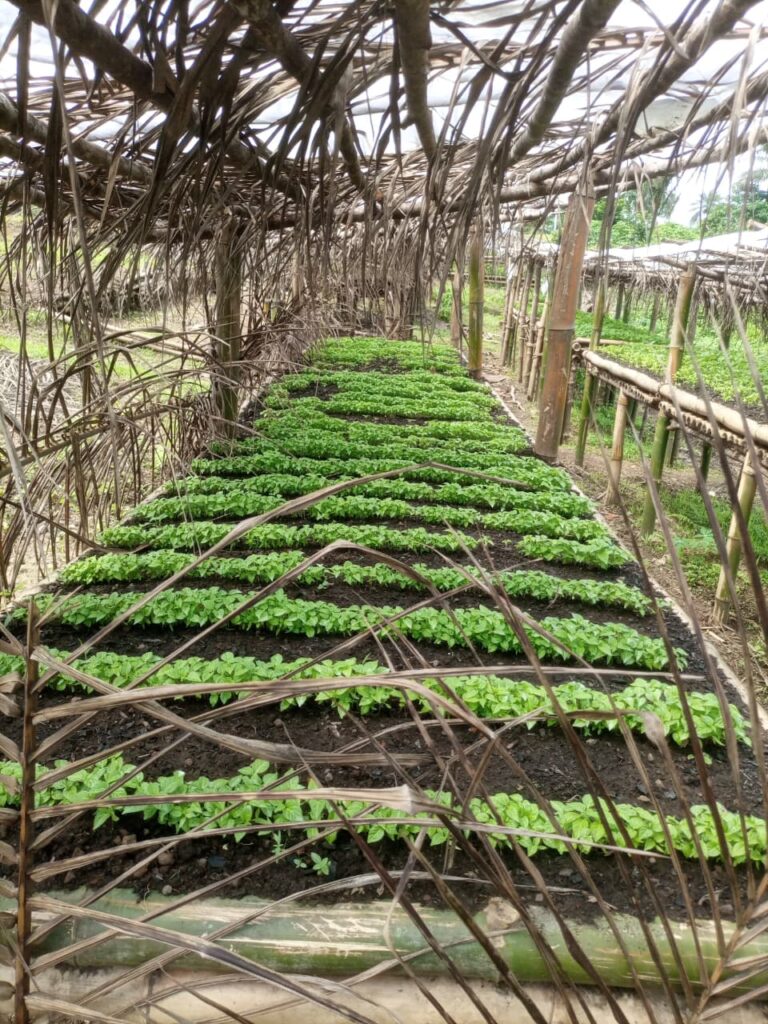
- Agroecology: Designing farming systems that mimic natural processes (compost preparation)
- Agroforestry: Intentionally integrating trees and shrubs into crop and animal farming systems to create environmental, economic, and social benefits.
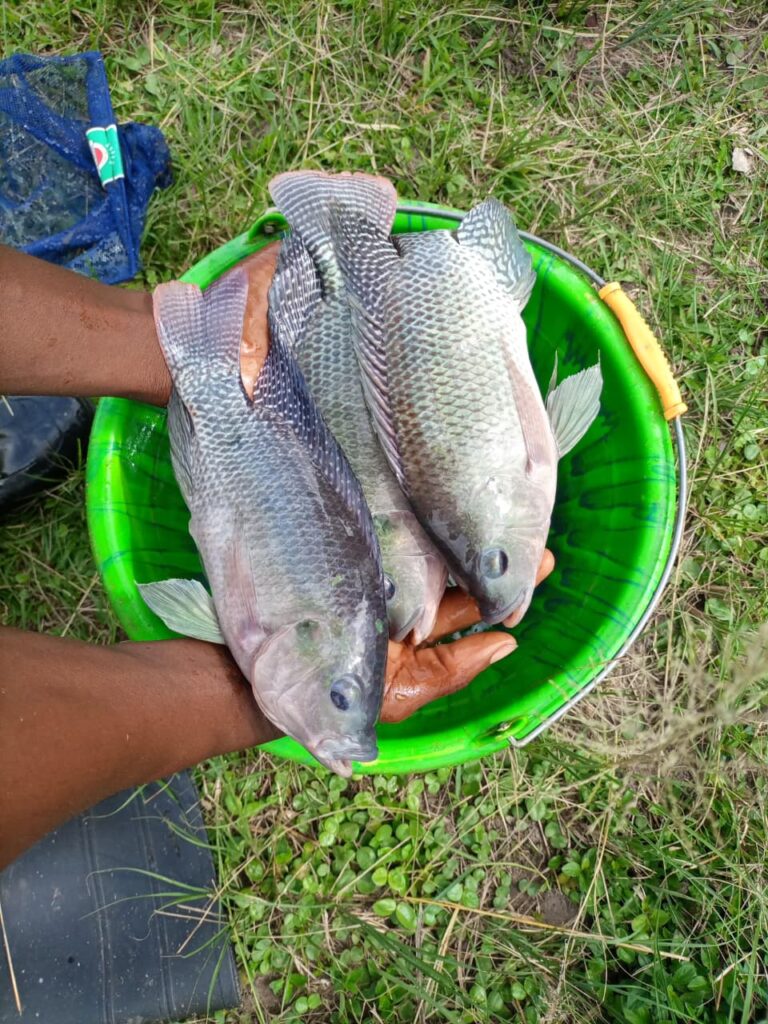
- Sustainable Livestock Management: Incorporating animals into the farm cycle for nutrient recycling, weed control, and additional income generation
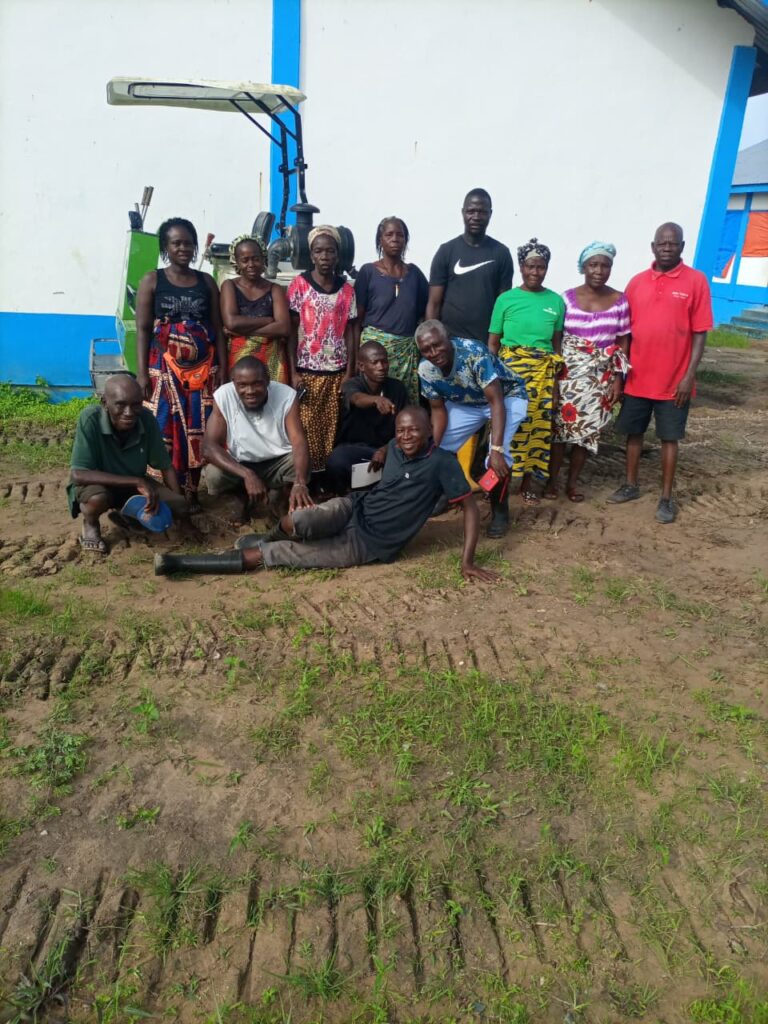
- Capacity Building: Focusing on education and hands-on training as the primary engine for lasting change in youth in agriculture and rural women’s capacity buildings
Integrated Agriculture Solutions is a Profit Organization established on January 13, 2026, its Liberian owned organization established to directly address these systemic challenges. Our foundation is built on the principle that agriculture cannot be solved through a single, isolated intervention. Instead, we promote Integrated Agricultural Systems-a synergistic approach that combines the following critical areas;
Our organization is not merely a training provider; we are a catalyst for a paradigm shift towards multifunctional landscapes where agriculture is part of the solution to environmental restoration, and education is the center of all our program areas.
Meet the entire team of Integrated Agriculture solutions
director

Jerry George Kwenah
Founder and Chief Executive Officer
Jerry is a Teach For Liberia alumnus and Liberian agriculturalist holding a BSc in General Agriculture from the University of Liberia. A member of the ExpertGate Global Network and multiple social justice organizations, his work is rooted in the conviction that local farmers — equipped with the right knowledge and practical tools — are the most powerful solution to Liberia’s food security crisis.

Emmanuel Harris Jr
Policy and Partnership Lead
Emmanuel Harris Jr. is the Policy and Partnership Lead for the Integrated Agriculture Solutions. Emmanuel has a bachelor’s degree in General Agriculture and bachelor of science degree in Economics. He had worked in both private and public sector of Liberia over the past ten years. He is currently serving as the Monitoring and Evulation Data Analyst for the National Elections Commission of Liberia. He also holds several certificates in Elections Administration, Project Management,Cisco Networking (Medium), Data Collection and Management, Youth Development, etc. Emmanuel is a season Training of Trainers (TOT) facilitator, both in the private and public sectors.

Henrietta Sackie Kwenah.
Mrs. Henrietta Sackie Kwenah profile. She had worked in the private sector for over five years, teaching and conducting training for both parents and schools-going students in Liberia. Her most recent role as a Home-Care Visitor for We Care Foundation had positive transformations for children who found it difficult to speak or read. Her early background is routed from the Ebenezer Baptist church where she served as the Director for the Children Department, also playing key roles for the choir, organizing Youth Retreat and conferences.
She is now serving as a class room teacher for the Shepherd Academy, serving as the Grade one Sponsor.