
Our Program Areas: A Multifaceted Approach
Our work is organized into interconnected program areas, each designed to address a specific facet of sustainable agricultural development.
Agroforestry Training & Implementation;
This program is a cornerstone of our work. We move beyond theory to practical, on-ground implementation.
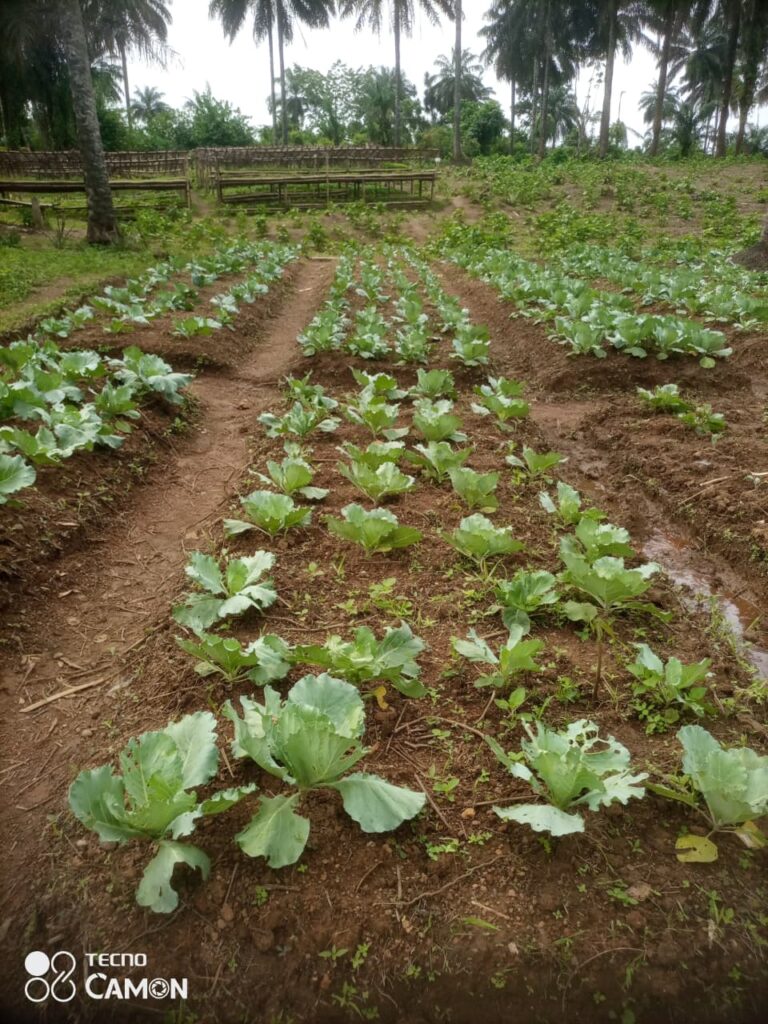
Activities: Farmer-led design of agroforestry systems (sustainable cropping, land-scaping, home gardens establishment, field layout, farm establishment, farm to market road rehabilitation, and renovation of fadely-out roads ); nursery establishment for valuable native tree species(Open Pollinated Varieties(OPV); training on cash crops management, vegetables and livestock, propagation, and multi-purpose use fruit, timber, sustainable soil improvement).
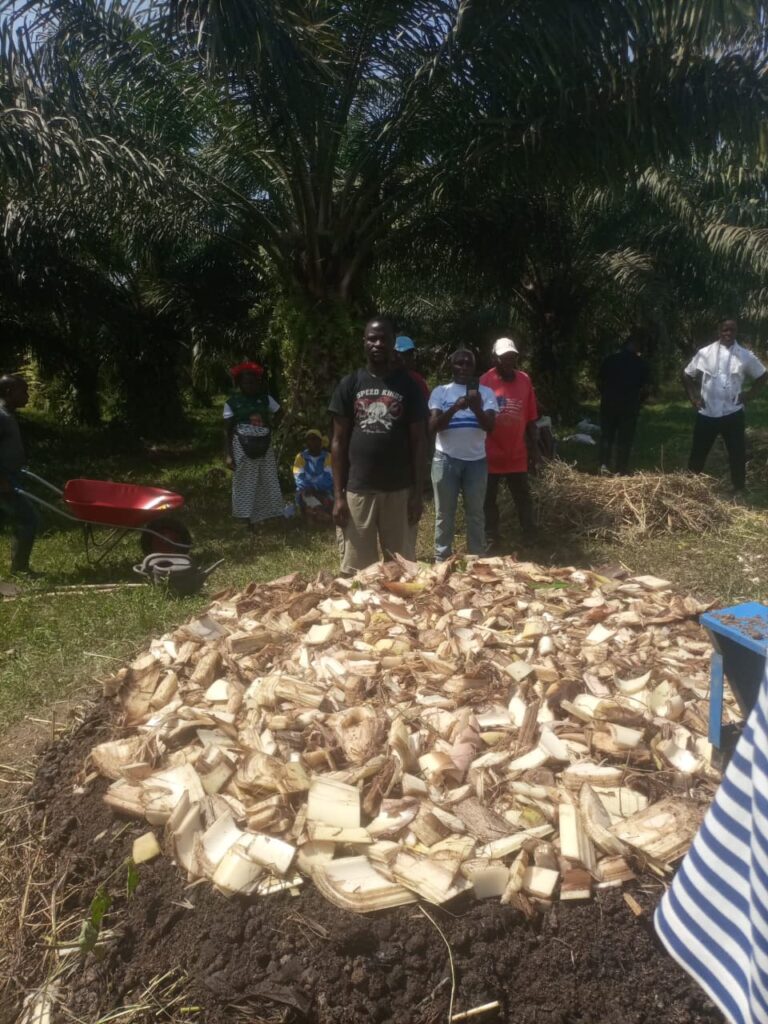
Outcome: Enhanced biodiversity, improved microclimates, carbon sequestration, diversified income sources (from vegetables, cash crops, fruit, nuts, timber), and increased soil organic matter.
Sustainable Agriculture Development & Training;
We provide comprehensive training in a wide array of practices that form the toolkit of a sustainable farmer.
Topics Include:
Soil Health Management: Composting, vermiculture, cover cropping, green manure, reduced tillage.
- Water Conservation: Rainwater harvesting, drip irrigation, swales, and contour planting
- Integrated Pest Management (IPM): Using biological controls, botanical pesticides, and crop rotation to manage pests without harmful chemicals.
- Crop Diversification: Introducing a variety of crops to spread risk, improve diets, and enhance ecosystem resilience.
Human Capacity Building & Educational Programs;
We believe lasting change is rooted in education. Our programs are designed for all levels of the agricultural community.
- Farmer Field Schools (FFS): Hands-on, group-based learning where farmers learn by doing, experimenting, and observing in their own fields.
- Training of Trainers (ToT): Equipping local extension agents and lead farmers with the skills to disseminate knowledge widely, ensuring program scalability and sustainability.
- Youth in Agriculture: Engaging the next generation through school garden programs and agricultural entrepreneurship training to make farming an attractive and viable career.
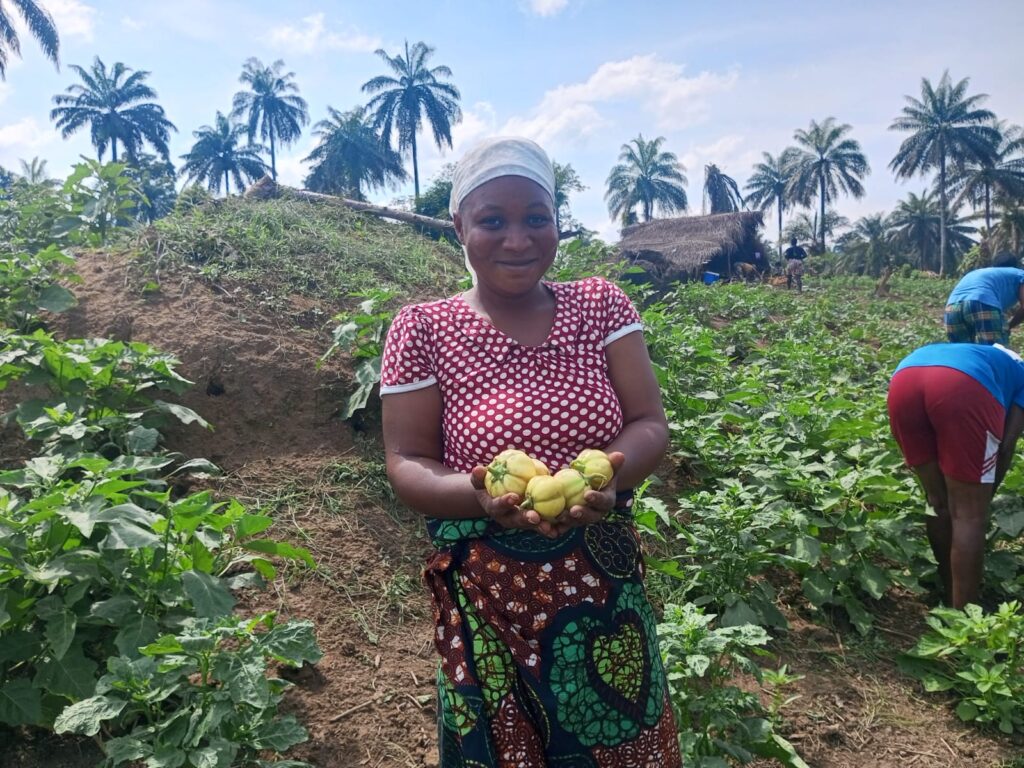
- Women’s Empowerment Programs: Specifically designed training to support women farmers, who are pivotal to agricultural production and household food security, often with limited access to resources and training, and establishing Village Saving Loan Association(VSLA) to serve as a revolving grant for lasting income generation.
Knowledge Hub & Demonstration Farms
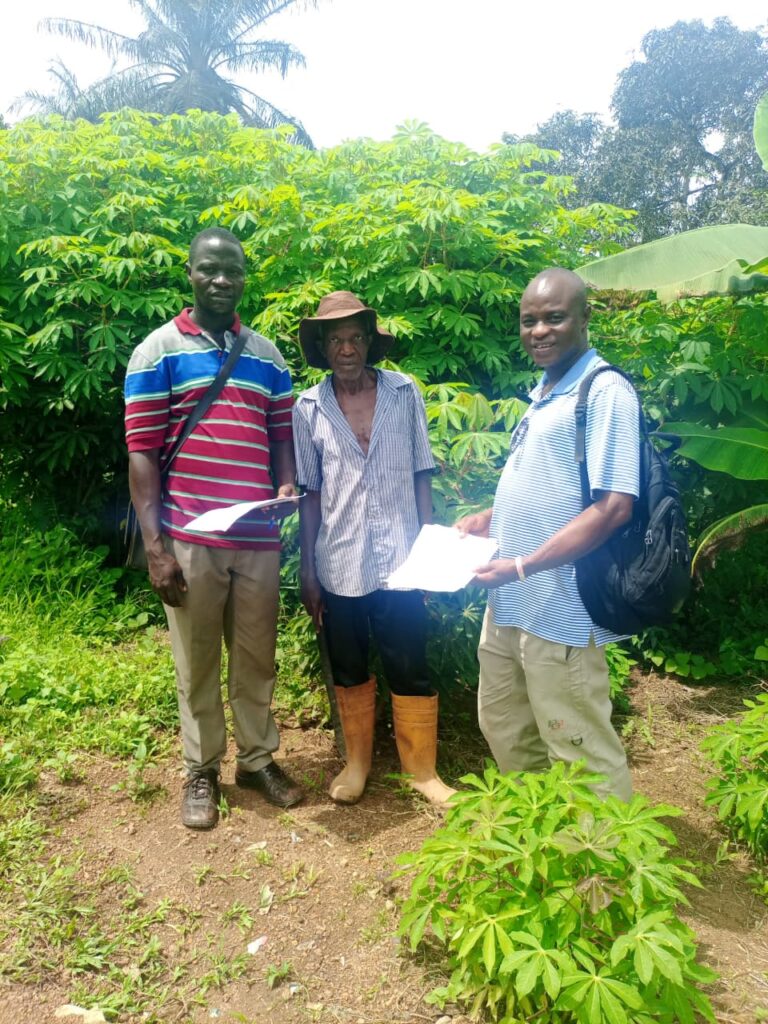
We establish living laboratories that serve as continuous learning centers.
Function: Showcase integrated practices in a real-world setting; serve as a venue for workshops; host visiting farmers and researchers; and trial new varieties and techniques adaptable to the local context.
The Path Forward: Implementation & Impact:
Our Theory of Change
By investing in comprehensive training and practical demonstration, we empower farmers with knowledge and skills. This enables them to adopt integrated practices on their own land, leading to increased resilience and productivity. This, in turn, generates improved livelihoods, restored ecosystems, and stronger, more food-secure communities.
Our Methodology:
Community-Centric: We begin by listening to communities to understand their specific needs, challenges, and aspirations.
Participatory: Programs are co-designed with beneficiaries, fostering ownership and ensuring cultural and contextual relevance.
Evidence-Based: Our training curriculum is built on proven scientific principles and adapted with local knowledge.
Impact-Driven: We establish clear metrics to monitor and evaluate our progress towards environmental, economic, and social goals.
The transformation we seek requires collaboration. Integrated Agriculture Solution invites partnerships with:
- Local Communities and Farmer Cooperatives
- Government Agricultural Department
- International NGOs and Development Agencies
- Private Sector Enterprises (CSR Initiatives, Agri-Businesses)
- Research and Academic Institutions.
- Individual Donors and Philanthropists
- Local NGOs, government ministries, and agencies
Together, we can cultivate a future where agriculture is synonymous with sustainability, prosperity, and planetary health.